
A June garage door maintenance checklist is a specialized summer inspection routine that helps South King County residents identify early signs of “sweating” tracks. Dramatic Pacific Northwest temperature swings create micro-condensation inside unconditioned garages, which secretly corrodes garage door drums, rollers, and high-tension springs unless properly lubricated and ventilated.
The arrival of June in the Pacific Northwest brings a unique weather pattern known locally as “June Gloom,” characterized by thick morning marine layers followed by intense afternoon sunshine.
While we welcome the afternoon warmth, this rapid shift in ambient temperature creates a hidden crisis inside unconditioned residential garages.
When cool morning air trapped inside the garage meets the sudden external heat of the afternoon sun, the metal components of your garage door system reach their dew point. This thermal disparity triggers micro-condensation, a phenomenon where moisture literally bakes onto the steel infrastructure of your door every single day.
Homeowners usually associate rust with winter rain, yet the stagnant, humid air of early summer is far more treacherous for mechanical hardware. Because the garage remains closed during the day, this moisture has nowhere to escape, settling quietly onto the highest points of the system.
The high-tension springs, cable drums, and track radiuses become prime targets for accelerated oxidation. By the time a homeowner notices visible orange staining, the structural integrity of the steel has already begun to degrade.
Let’s dive into the importance of addressing this seasonal moisture trap through a garage door maintenance checklist so that you’re garage door immediately protects your home from sudden, catastrophic mechanical failures during the peak of summer.
Table of Contents
How Can You Spot the Early Signs of “Sweating” Tracks?
Identifying the stealthy onset of moisture damage requires a keen eye during your morning garage door maintenance checklist routine.
Before the afternoon sun dries out the interior of your garage, you must inspect the vertical and horizontal tracks for signs of “sweating.” This looks like a fine mist or tiny beads of water clinging to the interior curves of the steel channels. Over time, this recurring moisture reacts with airborne dust and leftover factory grease, creating a dark, abrasive sludge that grinds down the rollers.
Aside from physical water droplets, look closely at the intersections where the track brackets attach to the garage walls. Rust on garage door tracks usually begins at these stress points because the protective zinc coating wears thin during normal door operation.
If you see white powdery residue, known as zinc oxide or white rust, the steel is actively fighting off moisture. Left unaddressed, this powdery substance gives way to deep, pitting orange rust that will warp the tracks and cause the garage door to bind or come off its rails entirely.
What Items Belong on Your June Garage Door Maintenance Checklist?
Executing a targeted monthly inspection ensures that small moisture problems don’t escalate into expensive emergency repairs. To keep your system running smoothly through the summer humidity, follow this comprehensive checklist every June:
- Inspect the Tracks for Micro-Condensation: Examine the full length of the steel tracks every morning for water beads, wiping away any accumulated moisture with a dry microfiber cloth.
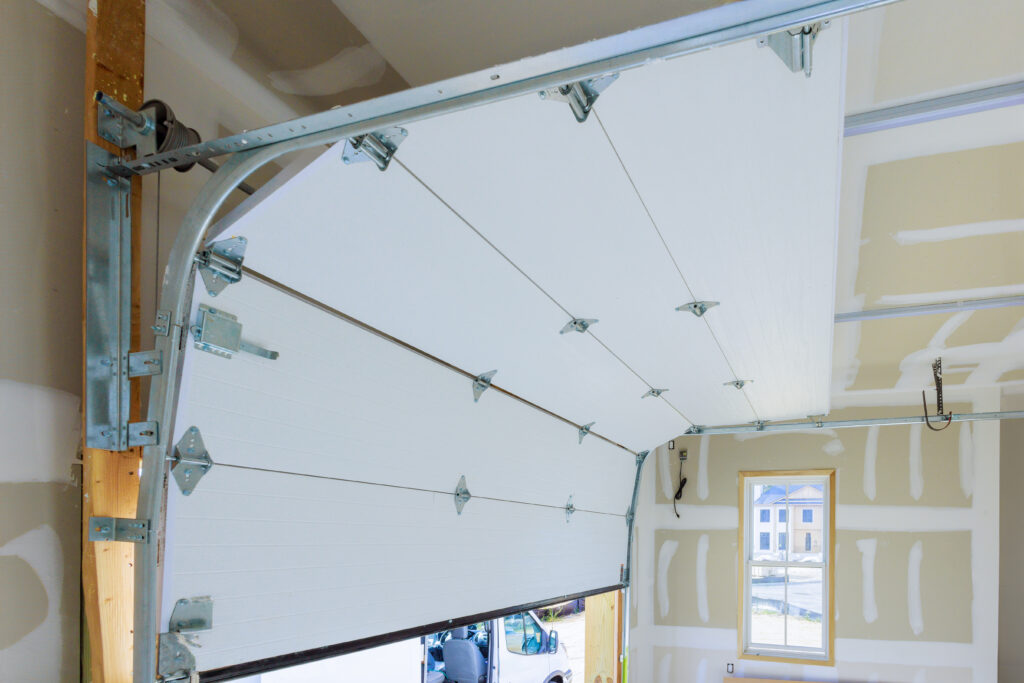
- Check the High-Tension Springs: Look at the torsion spring above the door or extension springs on the sides for gaps in coating, rust flakes, or bleeding orange lines between the coils.
- Examine the Cable Drums: Search for corrosion on the aluminum drums located at the top corners of the door, ensuring the lifting cables show no signs of fraying or rusting.
- Assess the Roller Bearings: Inspect the rollers to see if they spin freely or if hidden moisture has seized the internal ball bearings.
- Verify the Bottom Weather Seal: Check the rubber seal along the bottom of the door to ensure it prevents humid outside air from penetrating the garage envelope.
Catching these symptoms early through a garage door maintenance checklist preserves the smooth, quiet operation of your overhead door system.
Why Should You Avoid Using WD-40 on Garage Door Hardware?
A common mistake among homeowners trying to clear rust from their garage door tracks is reaching for a standard can of WD-40.
While WD-40 is an excellent solvent designed to displace water and break free rusted bolts, it’s not a true lubricant. Applying it to your garage door rollers, tracks, and springs actually strips away the heavy-duty factory grease required to cushion these high-friction components.
Once the volatile solvents in the product evaporate, they leave behind a sticky residue that attracts dust, hair, and grit, turning your tracks into an abrasive grinding machine.
Leading industry manufacturers, including Clopay and LiftMaster, explicitly warn against using degreasers or light household oils on garage door hardware. Instead, these brands recommend specialized silicone-based sprays or premium lithium greases that repel water without breaking down.
Silicone creates a slick, waterproof barrier that prevents micro-condensation from reaching the raw steel, while also reducing the friction that strains your garage door opener.
As demonstrated below, investing in the correct formula preserves your manufacturer warranty and ensures your springs remain supple under extreme tension.
| Lubricant Type | Moisture Repelling Ability | Dust Attraction Risk | Recommended by Clopay/LiftMaster |
| Silicone-Based Spray | Excellent (Creates waterproof barrier) | Extremely Low (Dries clean) | Yes (Primary Choice) |
| White Lithium Grease | Good (Heavy barrier for hinges) | Moderate (Apply sparingly) | Yes (For metal pivots) |
| Standard WD-40 | Poor (Evaporates quickly) | High (Leaves sticky film) | No (Strictly Forbidden) |
Choosing the proper chemical protectant makes all the difference when combating the invisible threat of summer humidity.
How Do You Perform a 5-Minute Summer Lubrication and Airflow Routine?
Protecting your garage door from the devastating effects of June Gloom doesn’t require hours of laborious work. A simple five-minute routine, practiced bi-weekly during the humid transition into summer, can completely halt the oxidation process.
Start by opening your garage door a few inches during the warmest part of the day to encourage cross-ventilation, allowing trapped humidity to escape the unconditioned space. This simple shift in airflow alters the internal dew point, stopping micro-condensation before it forms on your tracks.
Next, grab your specialized silicone spray to coat the moving parts that suffer most from morning moisture. Follow these steps to complete your rapid summer preservation routine:
- Spray the Torsion Springs: Apply a light, even coat of silicone spray across the entire length of the overhead springs, allowing the liquid to penetrate between the coils.
- Lubricate the Roller Bearings: Direct the spray nozzle into the center core of each roller, ensuring the ball bearings receive full coverage while avoiding the outer track surface.
- Coat the Hinges and Pivot Points: Spray every metal-to-metal leaf hinge connection across the garage door panels to keep them moving silently.
- Wipe Down the Track Interior: Clean the inside of the tracks with a dry rag, then apply a microscopically thin layer of silicone to repel moisture without creating buildup.
Regularly performing this quick garage door maintenance checklist shields your mechanical components from the silent, destructive forces of summer humidity.
Who Should You Call When Rust Takes Over Your Garage Door System?
When rust has already advanced past the point of a simple wipe-down, attempting a DIY fix becomes incredibly dangerous. The high-tension springs and lifting cables support hundreds of pounds of pressure, and one wrong move can cause these brittle, corroded parts to snap violently.
For homeowners dealing with stubborn oxidation, Lakeside Doors provides the ultimate professional solution. As the premier local garage door service provider, our team specializes in identifying deep structural rust and replacing compromised parts before they trigger a total system collapse.
Whether you need a comprehensive safety inspection or emergency garage door repair Puyallup residents trust, we deliver unparalleled expertise tailored to the unique climate challenges of South King County.
Our technicians have the specialized tools and heavy-duty replacement parts needed to restore your system to peak performance, ensuring your home remains secure and functional.
Letting a professional technician handle the dangerous work gives you peace of mind that your garage door will operate flawlessly through every seasonal weather swing.
How Can Proactive Maintenance Save Your Home Budget This Summer?
Taking charge of your garage door health in June with a simple garage door maintenance checklist prevents minor condensation issues from swelling into catastrophic financial burdens later in the year.
A garage door that binds on rusted tracks puts immense strain on your electric opener, burning out the drive gear or motor prematurely. By committing to a brief inspection and lubrication schedule, you extend the lifespan of your entire system and avoid the hassle of sudden garage lockouts.
Protecting your investment requires consistency, a sharp eye for morning moisture, and a willingness to call in experts when the job demands professional care.
Keeping your tracks clean and dry ensures a safe, quiet, and reliable garage door throughout the sunny summer months ahead.