
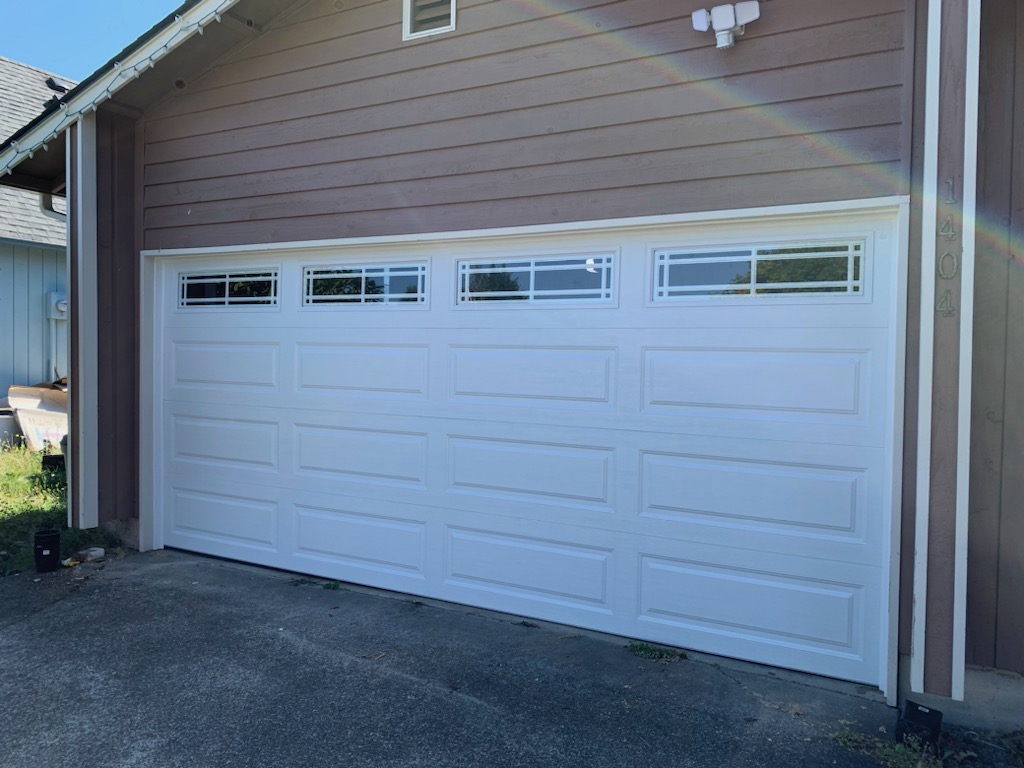
August is one of the busiest months for garage door repair because extreme heat can increase stress on aging garage door springs and door components. When old torsion springs reach the end of their cycle life, changing loads from summer temperatures may contribute to sudden failures. A broken garage door torsion spring creates serious safety risks, making professional repair far safer than attempting a DIY replacement.
What happens when the largest moving object in your home suddenly loses the spring system that supports hundreds of pounds of weight?
For many homeowners, that question becomes a reality during August. Across Washington, late-summer heat places additional strain on garage door systems that have already endured years of daily use.
Garage doors depend on carefully balanced spring systems to lift and lower heavy door panels safely. When those springs age, the combination of temperature fluctuations, metal fatigue, and changing door loads can push them beyond their limits. A sudden spring failure may leave a vehicle trapped inside the garage, create safety hazards, and require immediate professional attention.
Understanding why August brings an increase in spring failures helps you recognize warning signs early and make informed decisions about maintenance and repair.
Table of Contents
Why Does August Create More Stress on Garage Door Springs?
Garage door springs operate under extreme tension every day of the year, but August introduces conditions that can alter the forces acting on the system.
High temperatures cause metal components to expand slightly, while older wood doors may absorb moisture and warp. Uninsulated steel doors can also shift as temperatures rise and fall throughout the day.
These small physical changes affect the balance of the door. A spring system that already has years of wear may struggle to compensate for these adjustments. While heat alone rarely causes a spring to break, the seasonal changes can contribute to failure when a spring has already reached the end of its service life.
You may notice your garage door moving unevenly, becoming noisier, or requiring more effort from the opener during August. These symptoms may indicate that the springs and lifting system are experiencing additional stress.
The combination of aging components and summer environmental conditions makes August a critical time for garage door repair and inspection.
What Is the Cycle Life of a Garage Door Spring?
Garage door springs are engineered with a limited lifespan measured in cycles rather than years. One cycle equals one complete opening and closing of the garage door.
Every time the door moves, the spring stretches or twists under tremendous force. Over thousands of cycles, microscopic fatigue develops within the metal. Eventually, the spring loses strength and reaches a point where failure becomes likely.
Most residential springs fall into the following lifespan categories:
- Standard torsion springs: approximately 10,000 cycles
- High-cycle torsion springs: 20,000 to 50,000 cycles
- Extension springs: approximately 10,000 cycles
- Commercial-grade systems: significantly higher cycle ratings depending on design
A family that uses the garage door four to six times daily may reach 10,000 cycles in as little as five to seven years. Households with multiple drivers, active schedules, or garage-based storage access may wear springs out even faster.
Understanding cycle life helps you appreciate that spring failures aren’t random events but predictable results of mechanical fatigue.
How Does a Broken Garage Door Torsion Spring Affect Safety?
A broken garage door torsion spring removes the counterbalance system responsible for supporting the door’s weight. Without that support, a garage door weighing several hundred pounds may become difficult or dangerous to operate.
When a torsion spring breaks, you will likely hear a loud bang resembling a gunshot. The sound occurs because the tightly wound spring releases stored energy instantly. After the break, the opener may struggle to lift the door, or the door may refuse to move at all.
The resulting hazards of a broken garage door torsion spring include:
- Sudden door drops that may damage property or injure people
- Excessive strain on garage door openers
- Misaligned tracks and hardware damage
- Increased risk of cable failures
- Potential vehicle entrapment inside the garage
Because springs store enormous amounts of energy, a failed spring should always be treated as a serious safety concern.
Recognizing these dangers helps explain why immediate professional garage door repair service is the safest response to a spring failure.
What Is the Difference Between Torsion Springs and Extension Springs?
Many homeowners know their garage door has springs but are unfamiliar with the type installed on their system. Understanding the difference between torsion and extension springs helps clarify why repair methods vary significantly:
| Feature | Torsion Springs | Extension Springs |
| Location | Mounted above the door opening | Mounted alongside horizontal tracks |
| Operation | Uses twisting force | Uses stretching force |
| Performance | Smoother and more controlled | More movement during operation |
| Lifespan | Generally longer | Generally shorter |
| Safety | Better containment of energy | Requires safety cables |
| Common Use | Modern residential systems | Older residential systems |
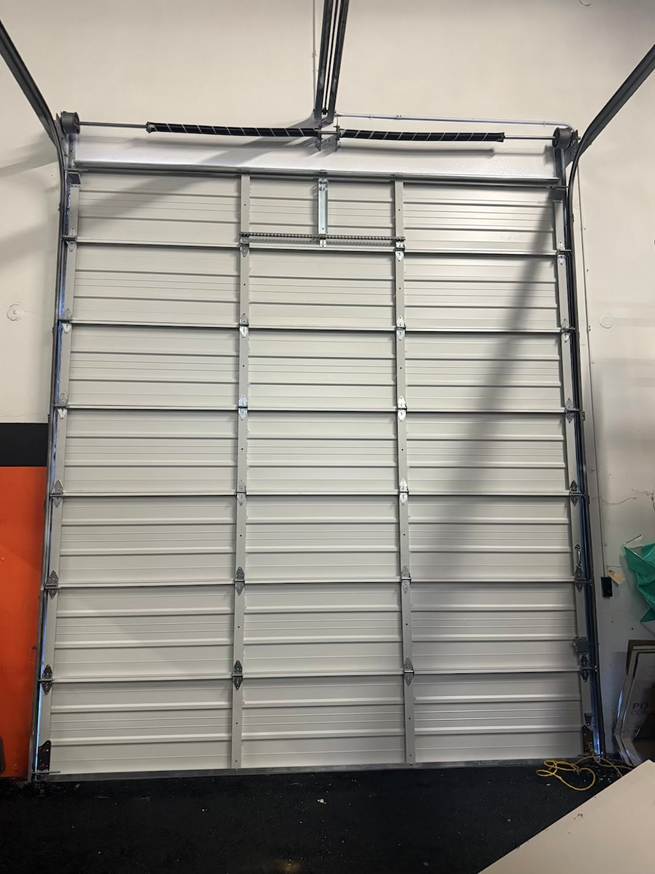
Torsion springs have become the preferred choice for many modern garage doors because they provide smoother movement, improved balance, and greater durability. Extension springs still exist on many older systems and require safety cables to reduce hazards if a spring breaks.
Knowing which spring system supports a garage door gives you valuable context when evaluating maintenance and repair needs.
Why Are DIY Spring Repairs So Dangerous?
The International Door Association (IDA) consistently emphasizes safety around high-tension spring systems because these components store enough energy to cause severe injuries.
Many online tutorials make spring replacement appear straightforward. In reality, technicians undergo specialized training and use professional tools designed specifically for handling spring tension safely.
A torsion spring may contain hundreds of pounds of stored force. Improper handling can cause winding bars, cables, brackets, or spring fragments to move with tremendous speed.
Common DIY risks include:
- Serious hand and finger injuries
- Facial and eye trauma
- Falls from ladders
- Damaged garage doors and openers
- Improper spring sizing that creates additional hazards
A broken garage door torsion spring is one of the most dangerous garage door repairs you can encounter. The financial savings associated with DIY work rarely justify the potential consequences.
Professional garage door repair is the safest approach whenever spring replacement becomes necessary.
What Warning Signs Suggest a Spring Is Near Failure?
Garage door springs usually provide warning signs before complete failure occurs. Recognizing these symptoms can help you schedule service before an unexpected breakdown happens.
One common indicator is a garage door that feels heavier than normal. The opener may appear to strain during operation, or the door may hesitate while opening.
Other warning signs include visible gaps in a spring coil, uneven door movement, increased noise, jerking motions, and doors that fail to stay open properly. Rust accumulation on spring surfaces can also accelerate wear by increasing friction between coils.
Homeowners sometimes assume these symptoms indicate opener problems when the real issue is aging springs nearing the end of their cycle life.
Early identification of these warning signs can reduce the likelihood of an unexpected August spring failure.
When Should Homeowners Request Emergency Garage Door Repair?
Some garage door issues can wait for a scheduled appointment, while others require immediate professional attention. A spring failure usually falls into the emergency category due to the safety risks involved.
Emergency garage door repair becomes especially important when a door is stuck open, refuses to close securely, traps vehicles inside, or shows signs of structural instability.
Operating a door with a damaged spring places additional stress on the opener and supporting hardware. Continued operation may transform a relatively straightforward repair into a more extensive and expensive project.
When you hear the unmistakable snap of a spring or notice sudden changes in door operation, prompt professional service helps prevent further damage and restores safe functionality.
Ultimately, fast response plays a key role in protecting both property and personal safety.
Why Should Homeowners Choose Lakeside Doors for Garage Door Repair?
When spring failures occur, experience matters. Lakeside Doors has built a reputation for providing reliable garage door repair services backed by skilled technicians and a commitment to safety.
As a trusted garage door company Puyallup WA homeowners rely upon, we understand the challenges that seasonal weather and aging equipment create for residential garage door systems. Our technicians diagnose spring issues accurately, recommend appropriate solutions, and complete repairs using high-quality replacement components.
Whether the problem involves a broken garage door torsion spring, damaged cables, worn rollers, or a complete system inspection, we provide professional service designed to restore safe operation quickly.
If you’re seeking emergency garage door repair, you benefit from responsive support and expert workmanship that prioritizes long-term reliability rather than temporary fixes.
Choosing experienced professionals helps reduce risk and provides confidence that repairs have been completed correctly.
Why Is August the Best Time to Address Aging Garage Door Springs?
August serves as a reminder that garage door systems experience wear every day, even when problems are hidden from view. High temperatures, changing door loads, and accumulated cycle fatigue combine to reveal weaknesses that may have developed over many years.
Aging springs rarely fail at a convenient time. A sudden break can interrupt daily routines, create safety concerns, and leave you facing urgent repair decisions. Understanding cycle life, recognizing warning signs, and respecting the dangers associated with spring replacement all contribute to better outcomes.
Professional garage door repair is the safest solution when spring systems start showing signs of wear or fail unexpectedly. For homeowners seeking dependable service from a trusted garage door company Puyallup WA residents know and trust, Lakeside Doors delivers the expertise needed to keep garage doors operating safely throughout the busiest season of the year.
When August heat places extra demands on an aging garage door system, timely professional attention is the best investment in safety, reliability, and peace of mind.