
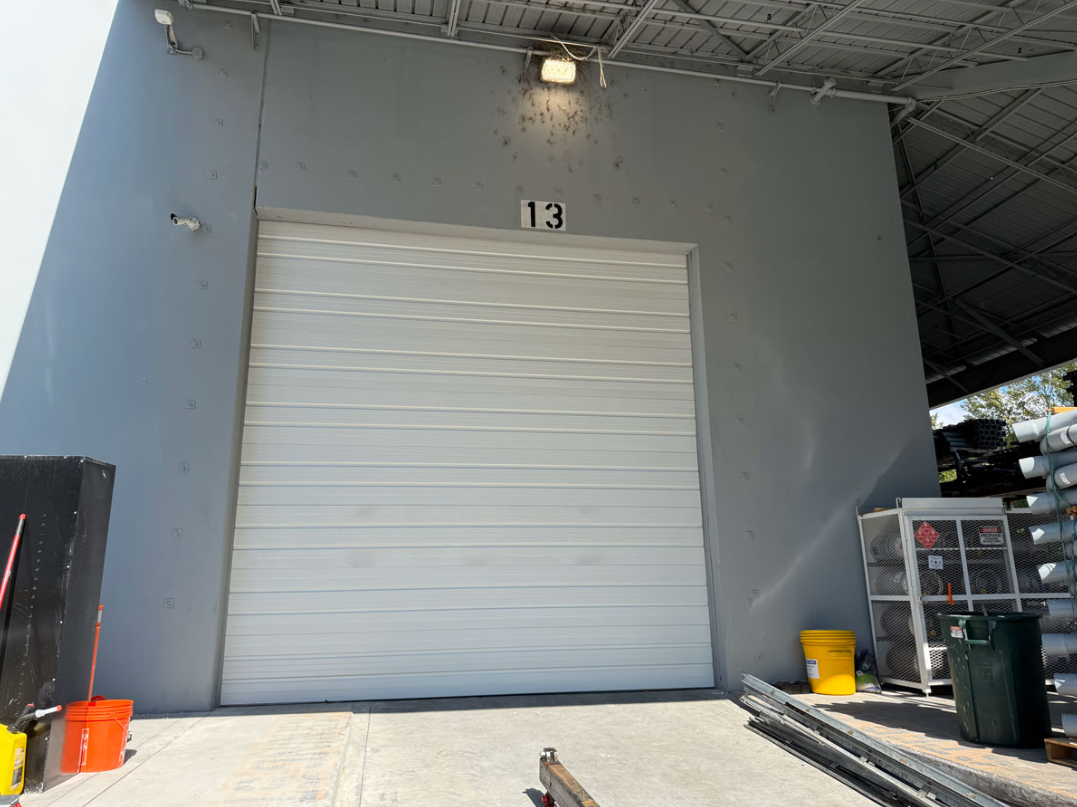
A professional commercial garage door maintenance checklist is vital for Pierce County businesses to prevent sudden industrial door safety inspection failures. Neglecting these systems leads to costly repairs, operational downtime, and severe OSHA safety violations. Regular local inspections ensure your facility remains compliant, keeping your employees protected and your overhead assets functioning smoothly.
How much revenue does your business lose every hour your main loading dock door remains frozen shut?
For many Pierce County facility managers, a malfunctioning commercial garage door is much more than a minor inconvenience; it acts as a literal barrier to profit. As spring brings a surge in logistics and local commerce, the mechanical stress on your entry points increases significantly.
Federal safety standards demand that every workspace remains free from recognized hazards. A heavy industrial door with frayed cables or a failing motor is a primary safety risk. Beyond the threat of a fine, the physical risk to your staff should remain your top priority. Understanding the specific indicators of mechanical fatigue helps you stay ahead of the curve.
Maintaining a rigorous schedule for commercial garage door maintenance keeps your workflow uninterrupted. Let’s look at whether your commercial garage door is Occupational Safety and Health Administration (OSHA)-compliant.
Table of Contents
What Wear and Tear Should You Look for on Commercial Garage Doors?
Identifying wear and tear before it results in a total system failure requires a keen eye. You should examine your hardware frequently to ensure every component meets high safety standards. A thorough commercial garage door maintenance routine involves looking at more than just the panels. Instead, look for:
- Spring Tension and Integrity: Look for gaps in the coils or signs of rust that suggest the metal is becoming brittle.
- Cable Condition: Check for fraying or “bird-nesting” where the steel strands begin to separate.
- Roller Movement: Ensure rollers spin freely and don’t jump or vibrate within the tracks.
- Track Alignment: Verify that the vertical and horizontal tracks remain perfectly plumb to prevent binding.
- Sensor Functionality: Test the photo-eye sensors to confirm the door reverses immediately when an obstruction is detected.
Consistent monitoring of these parts reduces the likelihood of an emergency commercial overhead door repair during your busiest shifts.
Compare Reactive Repair vs. Scheduled Garage Door Maintenance
Choosing between a “fix-it-when-it-breaks” mentality and a structured service plan changes the trajectory of your business expenses. The following table illustrates the differences in long-term outcomes for typical industrial facilities when it comes to reactive repair vs. scheduled garage door maintenance.
| Feature | Reactive Repair | Scheduled Maintenance |
| Operational Lifespan | Significantly Shortened | Maximum Potential |
| Safety Risk Level | High (Unpredictable) | Low (Controlled) |
| Emergency Costs | Premium Rates | Standard Service Rates |
| OSHA Compliance | At Risk | Consistently Documented |
| Downtime | Unplanned & Lengthy | Brief & Scheduled |
Investing in a systematic approach to commercial garage door maintenance ensures that your facility avoids the chaos of a mid-day mechanical collapse.
What Are OSHA Standards for Industrial Garage Doors?
OSHA doesn’t have one single “garage door” section, but rather covers these systems under General Industry standards regarding walking-working surfaces and mechanical power transmission.
If your commercial garage door lacks functional safety reversals or has damaged structural components, you are likely out of compliance.
Inspectors look for proof that you maintain your equipment in a safe operating condition. A documented industrial door safety inspection serves as your best defense during an audit. It proves that you take your “General Duty” to provide a safe workplace seriously.
When parts wear out, replacing them with certified components is non-negotiable. Keeping your records organized allows you to demonstrate a history of care and responsibility. Proper documentation turns a potential liability into a verified asset for your company.
When Do You Need a Professional for Your Commercial Garage Door System?
Mechanical systems usually give you warnings before they fail completely. Ignoring these signals invites disaster and increases the total price of your eventual commercial overhead door repair:
- Excessive Noise: Grinding, squealing, or banging indicates metal-on-metal friction or misalignment.
- Slow Response: If the motor struggles to lift the weight, your springs are likely losing their lifting power.
- Uneven Hanging: A door that sits crooked when closed puts immense strain on one side of the cable system.
- Intermittent Operation: Wiring issues or failing circuit boards can cause the door to stop halfway.
- Visible Damage: Dented tracks or bent sections compromise the structural integrity of the entire opening.
Addressing these minor flaws early prevents the need for a total system replacement later in the year.
Is Lakeside Doors a Good Choice for Commercial Garage Door Help?
Managing a large facility is demanding, and you shouldn’t have to worry about the reliability of your exits and entrances.
Lakeside Doors provides the expertise required to keep your commercial garage door running at peak performance. Our team understands the specific environmental challenges faced by businesses in Pierce County, from salt air to fluctuating spring temperatures.
We specialize in comprehensive commercial garage door maintenance that goes beyond a simple visual check. We offer precision adjustments and high-quality parts that withstand the rigors of industrial use.
Partnering with us means you gain a team dedicated to your operational success and safety compliance. We focus on the technical details so you can focus on growing your business. Choosing a local expert ensures that help is always nearby when your facility needs it most.
Stay On Top of Your Commercial Garage Door Maintenance
The transition into the busy spring season is the perfect time to evaluate your hardware. A safe garage door is a productive garage door, and maintaining OSHA compliance is simply good business.
By following a strict commercial garage door safety inspection protocol, you protect your employees from injury and your budget from unnecessary strain.
Short-term savings on maintenance lead to long-term losses in repair costs and lost labor hours. Prioritize the health of your overhead systems to ensure your loading docks remain a gateway to success rather than a safety hazard.
Your commitment to quality maintenance reflects your commitment to your entire organization. Staying vigilant today prevents the mechanical failures of tomorrow.